Pabalatandaan
The Meaning Behind “Hiwang Pamana”
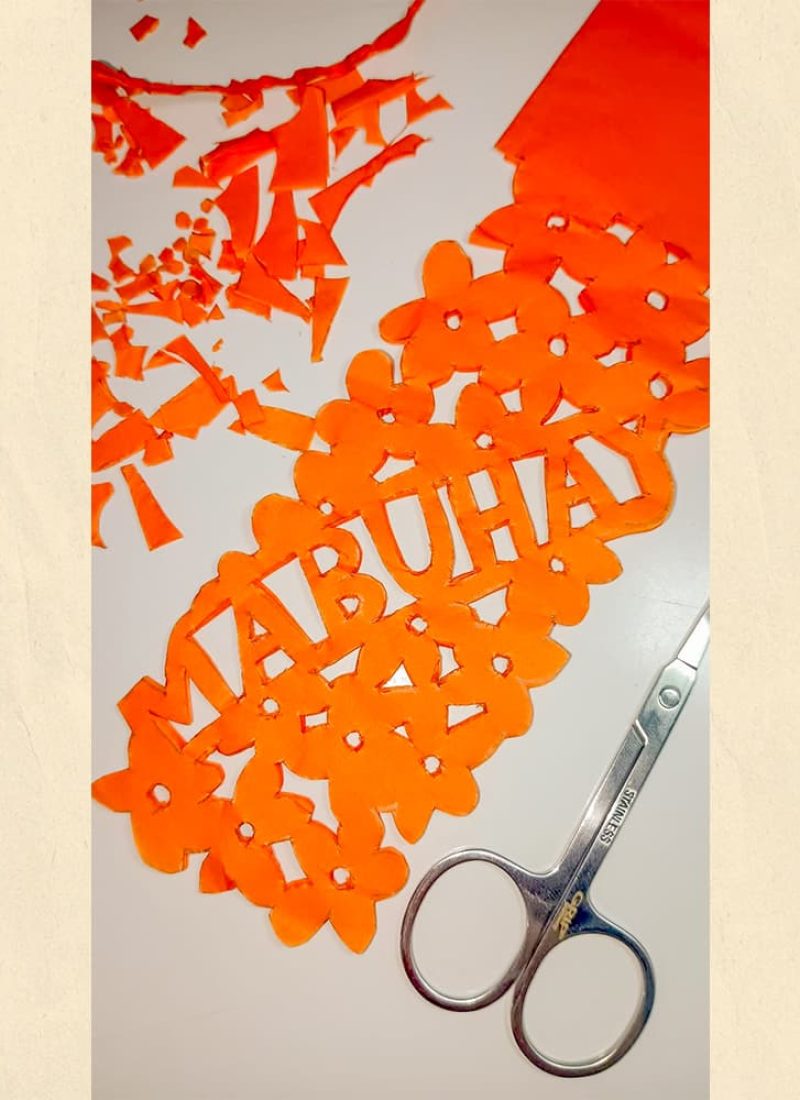
Hiwang Pamana comes from hiwa (cutting) and pamana (legacy). The word “Hiwa” goes beyond its usual meaning of slicing, instead referring to the movement of cutting, as practiced in creating Pabalat.
The History of Pabalat
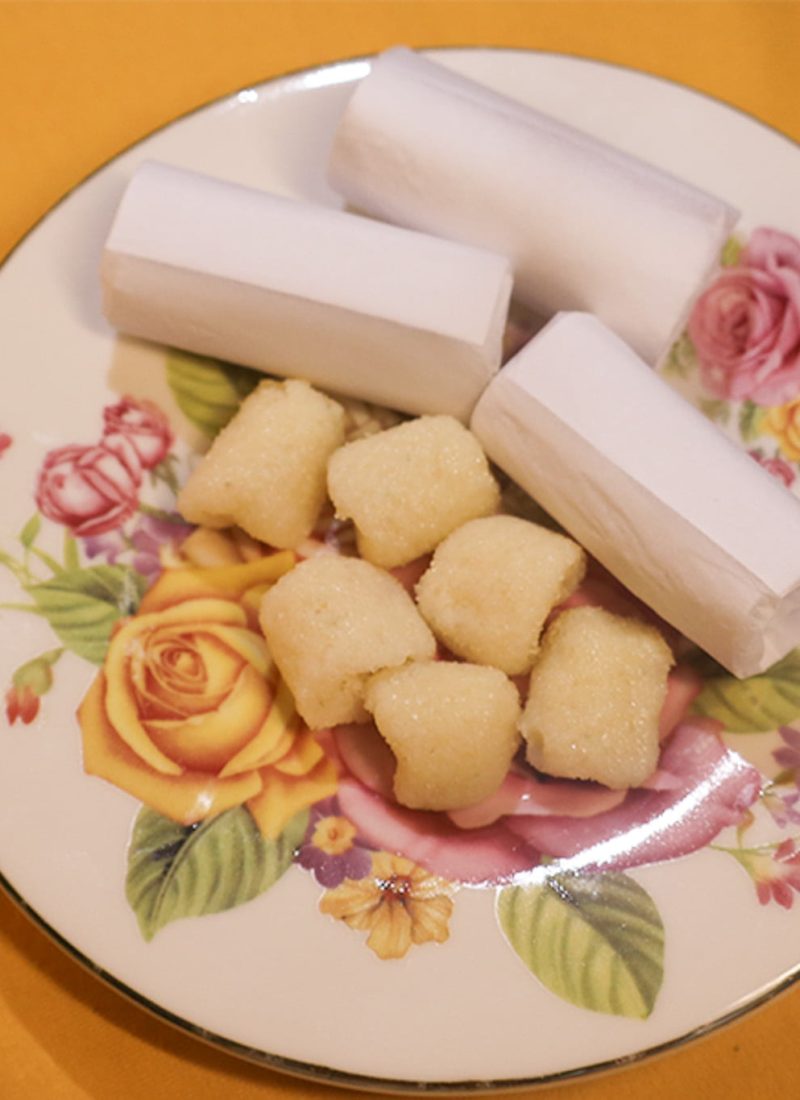
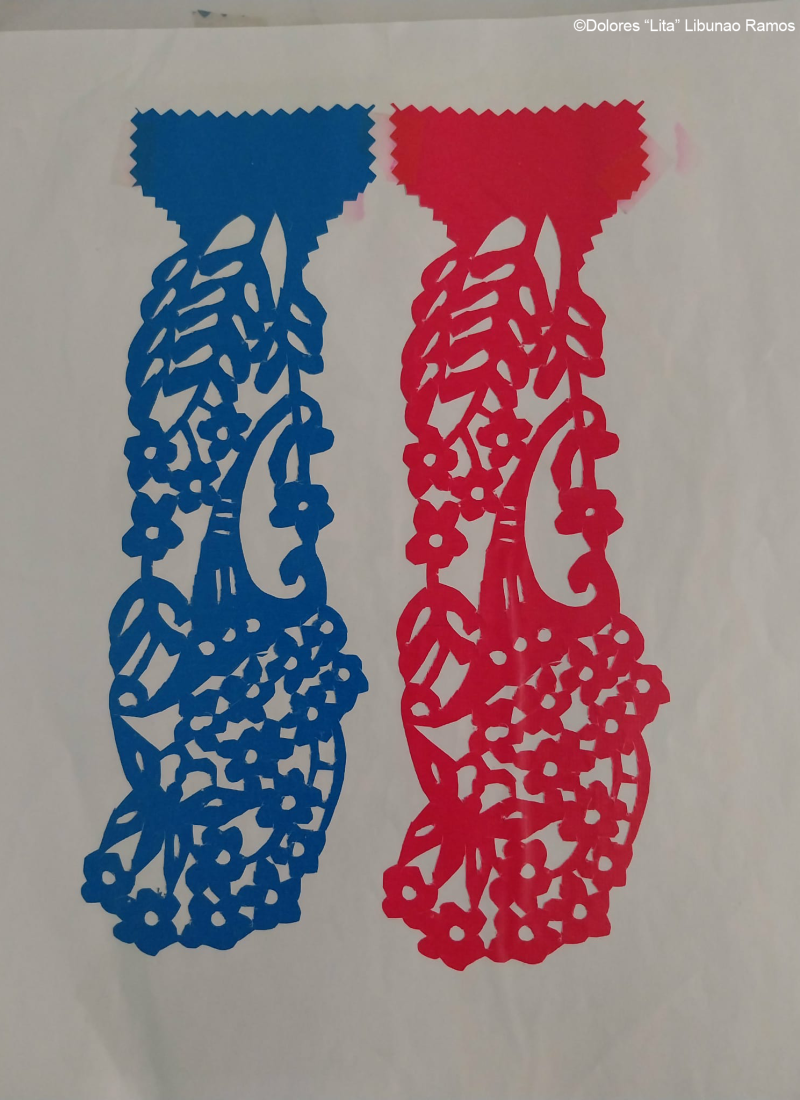
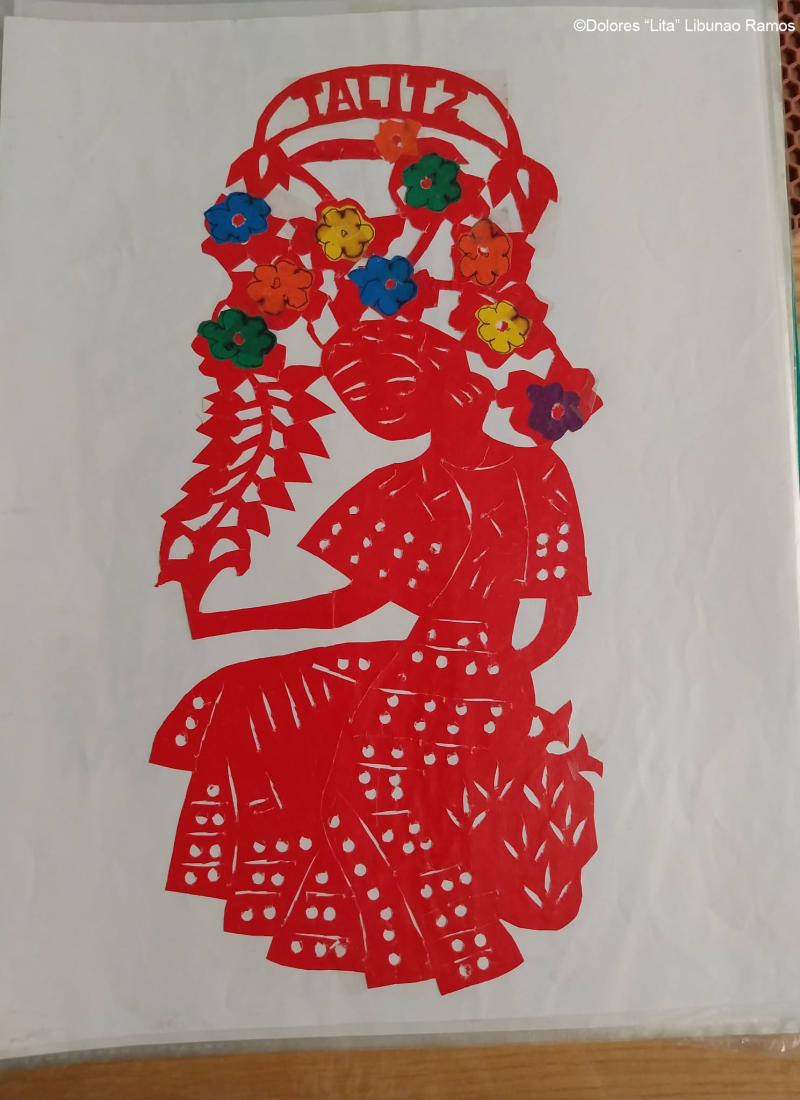
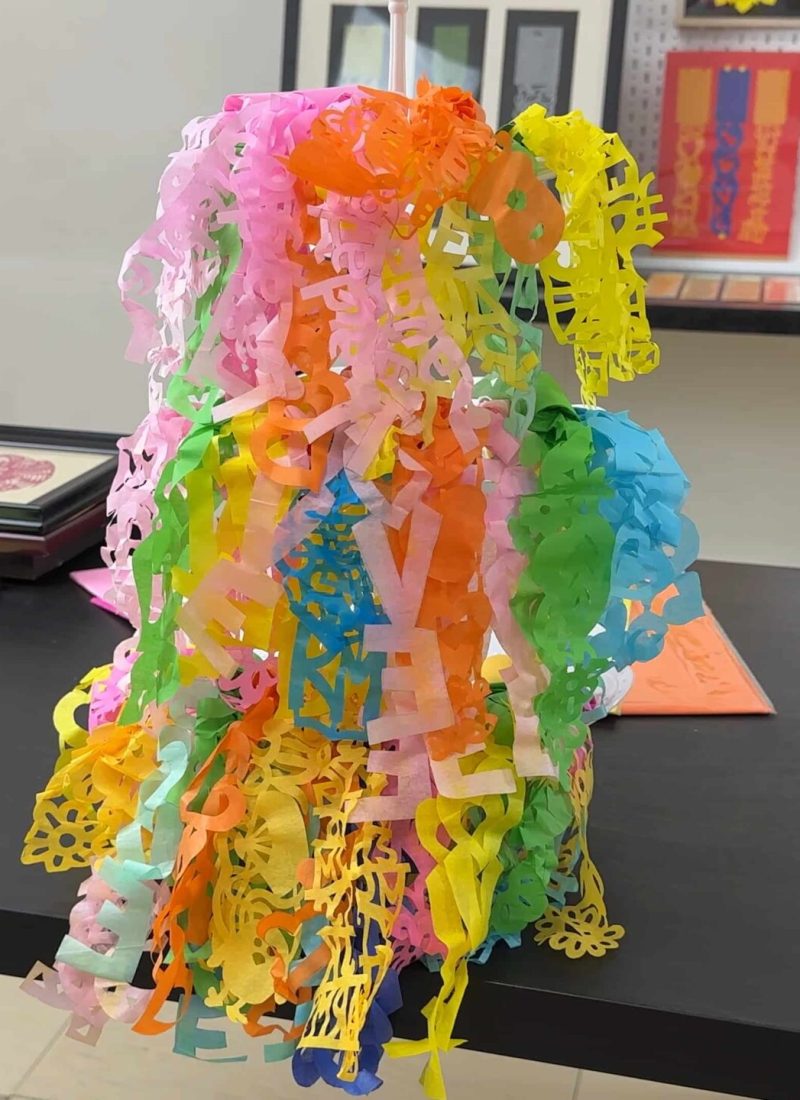
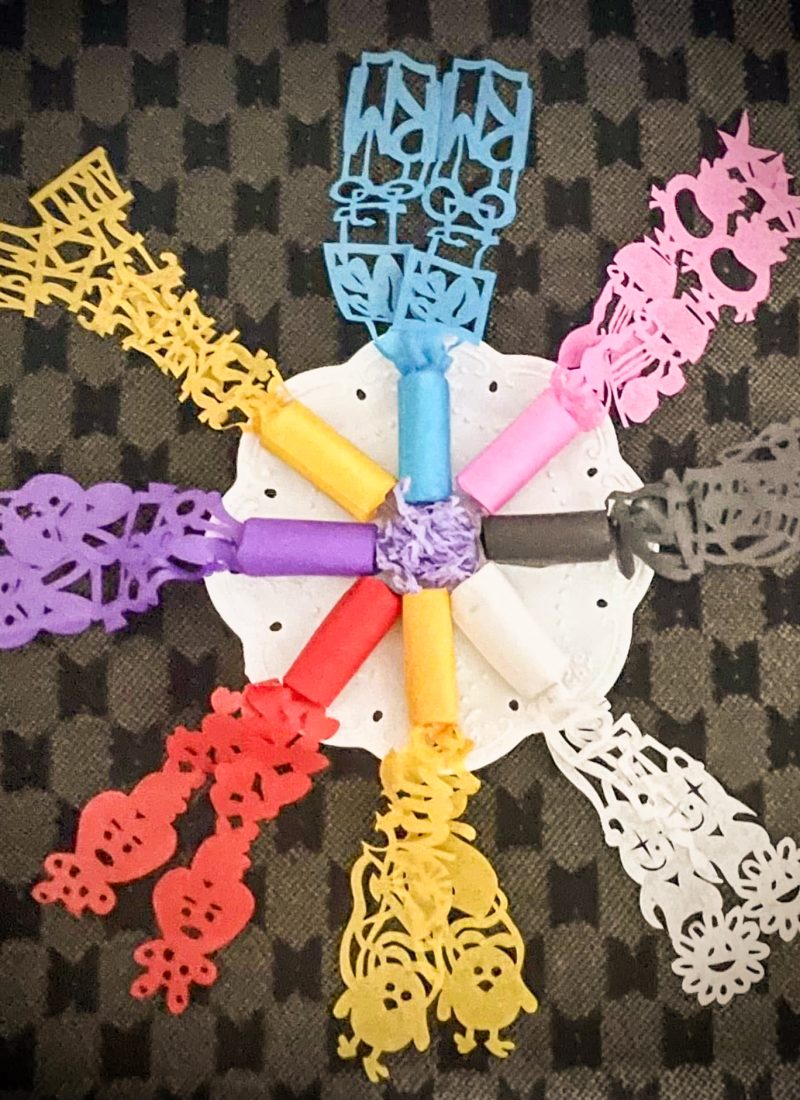
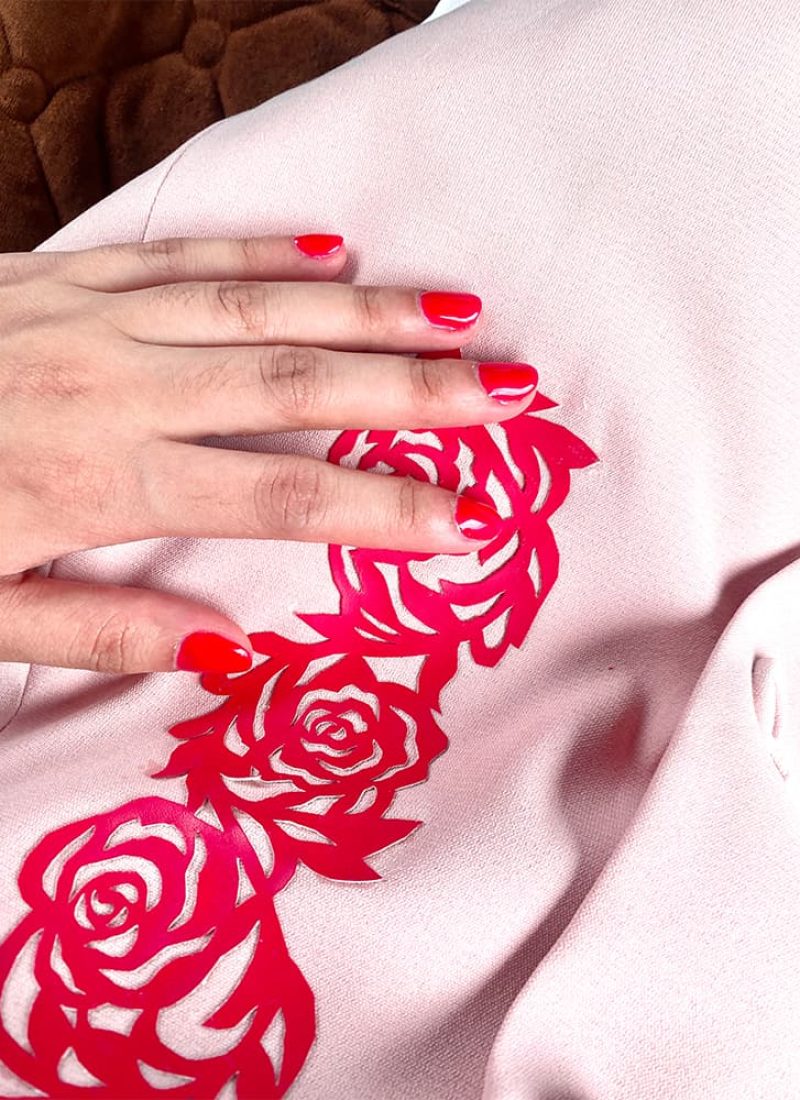
Pabalat or Borlas de Pastillas originated in Bulacan, using delicate Japanese papers as decorative wrappers for pastillas through precise, hand-cut techniques using cuticle scissors.
Today, as fewer artisans continue the practice, Hiwang Pamana aims to preserve its legacy through every cut and sharing the stories of the artists to help keep this craft alive.
START THE CUT
Learn about the craft’s known history, its significance, and the artists that made it their advocacy to keep the craft going.
PABALAT ARTISTS
Meet the hands behind the craft
Pabalat artist from San Miguel, Bulacan.
Popular Pabalat artist from San Miguel and Malolos, Bulacan. Awarded “Gawad Pamanang Sining” by the National Historical Commission of the Philippines. Photo from Naty Ocampo Castro
Pabalat artist from Malolos, Bulacan.
Daughter of known Pabalat artist, Luz Ocampo.
Pabalat artist from San Miguel, Bulacan.
Founder of Borlas de Mayumo.
Pabalat artist from Angat, Bulacan.
Founder of Borlas de Mayumo.
Paper/Pabalat Artist and Cultural Heritage Worker from Metro Manila.
Pabalat Artist from Tagaytay.
Meet the team behind this project
Chris
Project Manager
Motion Graphic Artist
Web Developer
Director of Episode 1
Rose
Creative Director
Director of Episode 2
Web designer
Lia
Director of Photography
Web Developer
Director of Episode 3